
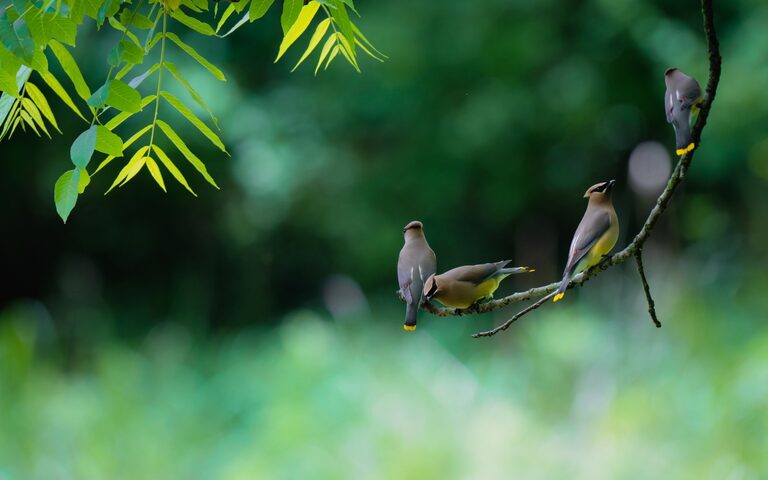
Birdwatching is a relaxing and rewarding hobby that connects you with nature right in your own backyard. Whether you live in a city, suburb, or rural area, your outdoor space can become a haven for local birds. If you’re new to this pastime, don’t worry—getting started is easier than you might think. This guide offers beginner-friendly tips to help you attract and observe birds with confidence and enjoyment.
Why Backyard Birdwatching?
Birdwatching is a wonderful way to slow down and appreciate the natural world. It can reduce stress, spark curiosity, and encourage you to learn about different bird species. Plus, it’s a hobby that suits people of all ages and doesn’t require expensive equipment.
Getting Started: What You Need
1. Choose the Right Spot
Find a comfortable place in your backyard where you can sit quietly and watch. Near a window, on a porch, or a garden bench often works well. Look for an area with some natural cover—trees or shrubs—since birds use these for shelter.
2. Gather Basic Supplies
You don’t need a lot to begin:
– Binoculars: A basic pair designed for birdwatching enhances your view but isn’t essential at first.
– Notebook or Bird Journal: Keep track of the birds you see and note their behaviors.
– Field Guide or Phone App: Helps identify local birds by appearance and song.
Attracting Birds to Your Backyard
To enjoy birdwatching, you need visitors. Here are ways to make your yard more inviting:
1. Provide Food Sources
Different birds prefer different foods. Offering a variety can attract a wide range of species.
– Seed feeders: Black-oil sunflower seeds attract many common birds like finches and chickadees.
– Suet feeders: Great for woodpeckers and nuthatches, especially in cooler months.
– Fruit: Oranges or berries can attract orioles and tanagers.
– Nectar feeders: Hummingbirds love sugar water; keep feeders clean to prevent disease.
2. Ensure Fresh Water
Birds need water for drinking and bathing. A simple birdbath or shallow dish with fresh water can make your yard more attractive. Change the water regularly to keep it clean.
3. Offer Shelter and Nesting Spots
Plant native trees, shrubs, and flowers to provide natural cover. You can also install birdhouses suited for local species to encourage nesting.
Observing Birds: Tips for Beginners
1. Be Patient and Quiet
Birds are wary of noise and sudden movements. Sit still and observe patiently. Over time, birds will become accustomed to your presence.
2. Watch at Different Times
Bird activity varies throughout the day. Early mornings and late afternoons are often the best times for birdwatching.
3. Learn Bird Songs
Listening for bird calls helps locate species that might be hidden in foliage. There are many free apps and online resources to practice identifying songs.
4. Record Your Observations
Keeping a bird journal helps you learn and track the birds you see. Note the date, time, species, and any interesting behaviors.
Common Backyard Birds to Look For
Depending on your location, you might see:
– Sparrows
– Cardinals
– Blue Jays
– Robins
– Chickadees
– Hummingbirds
– Woodpeckers
Use your field guide to learn identifying marks and behaviors.
Ethical Birdwatching Practices
Respecting wildlife ensures that birds remain safe and healthy in your backyard:
– Avoid disturbing nests or young birds.
– Keep feeders and baths clean to reduce disease risk.
– Use natural plants instead of chemicals in your yard.
Join the Community
Consider connecting with local birdwatching groups or online forums. Sharing sightings and learning from others is a great way to deepen your enjoyment.
Final Thoughts
Backyard birdwatching is a delightful way to connect with nature at your own pace. By setting up a welcoming environment, observing patiently, and learning steadily, you can develop a lifelong appreciation for the feathered friends that visit your outdoor space. Grab your binoculars and notebook—your birdwatching adventure begins today!