
Creativity is often seen as a special talent reserved for artists, writers, or musicians. But in reality, creativity is a skill that anyone can develop and enjoy. Practicing creativity daily not only enhances problem-solving skills but also brings joy and a fresh perspective to everyday life. If you want to nurture your creative side but don’t know where to start, here are some simple ways to incorporate creativity into your routine every day.
Why Practice Creativity Daily?
Creativity isn’t just about producing art or writing stories. It’s about thinking in new ways, finding solutions, and expressing yourself. Making creativity a daily practice helps:
– Boost mental agility and flexibility
– Reduce stress by engaging in enjoyable activities
– Improve focus and concentration
– Build confidence in your ideas and decisions
– Open new opportunities for learning and growth
You don’t have to dedicate hours at a time. Even a few minutes of creative activity can make a big difference.
Easy Daily Creativity Practices
1. Keep a Daily Journal
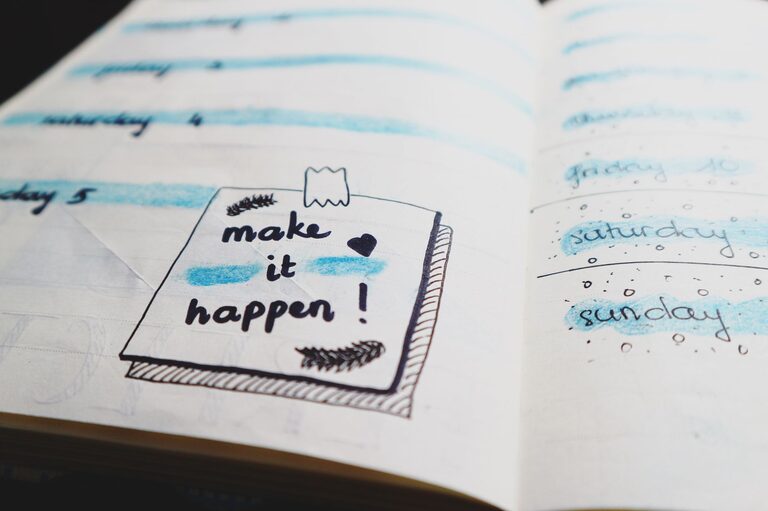
Writing regularly can unlock new ideas and insights. You don’t need to write long entries; simply jot down your thoughts, dreams, or observations. Try prompts like:
– What inspired me today?
– One thing I’m grateful for
– A problem I’d like to solve creatively
This habit encourages reflection and helps you notice patterns in your thinking.
2. Doodle or Sketch
You don’t have to be an artist to benefit from doodling. Drawing simple shapes, lines, or stick figures can stimulate the brain’s creative centers. Carry a small notebook or use an app on your phone. Doodling during meetings or while on the phone can also improve focus and memory.
3. Learn Something New Every Day
Taking in new information sparks creativity by expanding your perspective. It can be as simple as reading a short article, watching a tutorial, or exploring a topic outside your usual interests. This diversity of knowledge feeds your imagination and uncovers unexpected connections.
4. Use Mind Maps
Mind mapping is a visual way to brainstorm ideas. Start with a central concept and branch out with related thoughts or questions. This technique helps organize ideas and encourages non-linear thinking, which is great for creative problem-solving.
5. Take a Different Route
Changing your physical routine can inspire creativity. Walk a different path to work, rearrange your workspace, or try a new coffee shop. Small changes stimulate your brain by breaking monotony and providing fresh sensory input.
6. Practice Creative Challenges
Set simple challenges to push your creativity. Examples include:
– Writing a six-word story
– Taking a photo of something unusual
– Cooking a meal with only five ingredients
– Creating something using everyday items
These playful tasks make creativity fun and manageable.
Incorporating Creativity into Everyday Tasks
You don’t need special projects to be creative. Everyday activities offer plenty of opportunities:
– Cooking: Experiment with new recipes, flavors, or presentation ideas.
– Gardening: Design your garden layout or try growing unusual plants.
– Home organization: Find creative storage solutions or redecorate using what you have.
– Conversation: Practice active listening and ask open-ended questions that spark dialogue.
Seeing routine tasks as chances to innovate helps cultivate a creative mindset.
Overcoming Common Creativity Blocks
Many people feel stuck or doubt their creativity. Here are tips to overcome common challenges:
– Fear of failure: Remember that mistakes are part of the creative process. Allow yourself to try and learn without judgment.
– Lack of time: Choose short, manageable activities. Even five minutes can inspire new ideas.
– Perfectionism: Focus on exploration rather than results. Creativity thrives when you let go of rigid expectations.
– Distractions: Set aside a quiet time or space to practice creativity regularly, even if briefly.
Creativity and Mindfulness
Mindfulness enhances creativity by helping you become present and aware. Simple mindfulness exercises like deep breathing, meditation, or paying close attention to your surroundings can clear mental clutter and make space for new ideas.
Try combining mindfulness with creativity by:
– Observing objects carefully before drawing
– Writing about your current mood or sensations
– Listening deeply to music without distractions
Final Thoughts
Creativity is not a mysterious gift but a skill anyone can cultivate with daily practice. By adding simple activities like journaling, doodling, exploring new topics, or trying creative challenges, you invite fresh ideas and joy into your life. Remember, the key is consistency and openness — embrace the process rather than the outcome. Start small, be patient with yourself, and enjoy the creative journey every day.