
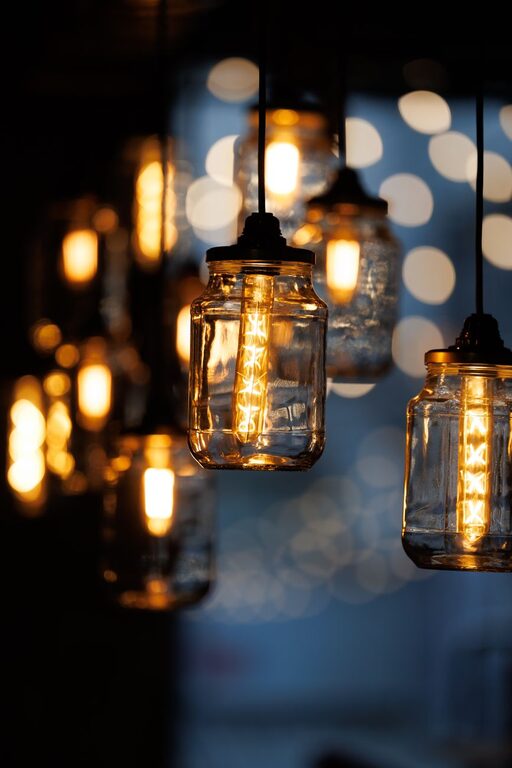
Choosing the right lighting for your home is about more than just illumination. The right light can transform your space, create a welcoming atmosphere, and support your daily activities. However, selecting comfortable home lighting can be challenging without knowing the key factors to consider. This guide provides practical tips to help you choose lighting that suits your needs and enhances your home’s comfort.
Why Comfortable Lighting Matters
Good lighting affects how you feel, how you see, and how your home looks. Too bright or harsh lights can cause eye strain and discomfort. On the other hand, dim or poorly placed lighting can leave you feeling tired or unmotivated. Comfortable lighting balances brightness, color, and placement to create a relaxed and functional environment.
Understand the Different Types of Home Lighting
Before you start choosing fixtures, it’s helpful to know the three main types of home lighting:
– Ambient Lighting: This is the general lighting that fills a room, providing overall illumination. Examples include ceiling lights, chandeliers, and recessed lights.
– Task Lighting: Focused lighting used for specific activities like reading, cooking, or working. Desk lamps, under-cabinet lights, and pendant lights are common task lighting options.
– Accent Lighting: Used to highlight certain features such as artwork, plants, or architectural details. Spotlights, wall sconces, and LED strips are examples.
Combining all three types thoughtfully contributes to a comfortable and inviting space.
Tips for Choosing Comfortable Home Lighting
1. Consider the Purpose of Each Room
Each room has different lighting needs depending on its use.
– Living Room: Opt for warm, adjustable lighting to create a cozy atmosphere. Use a combination of ambient and accent lighting.
– Kitchen: Bright, cool-toned task lighting is essential for cooking and food preparation. Consider under-cabinet lights and bright ceiling fixtures.
– Bedroom: Choose soft, warm lights that help you relax. Bedside lamps with dimmer switches offer flexibility.
– Home Office: Use bright, glare-free task lighting to reduce eye strain during work. Adjustable desk lamps work well.
2. Pay Attention to Color Temperature
Color temperature is measured in Kelvins (K) and determines whether the light appears warm or cool.
– Warm Light (2700K–3000K): Creates a cozy and relaxing vibe, ideal for bedrooms and living rooms.
– Neutral Light (3500K–4100K): Offers a balance that is suitable for kitchens and bathrooms.
– Cool Light (5000K–6500K): Bright and energizing, perfect for workspaces and garages.
Choosing the right color temperature can improve comfort and set the right mood in your home.
3. Choose the Right Brightness Level
Brightness is measured in lumens. The higher the number of lumens, the brighter the light.
– For ambient lighting, aim for 1,500 to 3,000 lumens per room depending on size.
– Task lighting should be brighter in focused areas, typically 450 to 1,000 lumens.
– Use dimmers when possible to adjust brightness based on needs and time of day.
4. Use Dimmers and Smart Controls
Dimmers allow you to customize lighting intensity for various activities and times of day. Smart lighting systems offer added convenience with remote control, scheduling, and even color-changing features. These tools help maintain comfortable lighting without constant manual adjustments.
5. Select Energy-Efficient Bulbs
LED bulbs are energy-efficient, long-lasting, and available in a variety of brightness and color temperatures. Choosing LEDs not only helps the environment but also reduces your electricity bills. Look for bulbs with a high Color Rendering Index (CRI) above 80 for natural color appearance.
6. Avoid Glare and Harsh Shadows
Position lights to reduce glare on screens and reflective surfaces. Use lampshades or diffusers to soften harsh light. Multiple light sources spread around the room can minimize shadows and create a more pleasant environment.
7. Consider the Style and Fixture Design
While comfort is key, don’t forget the aesthetic element. Lighting fixtures should complement your home’s style and décor. From modern minimalist to rustic or classic designs, the right fixture adds character and blends well with the overall look.
Room-by-Room Lighting Checklist
– Living Room: Layer ambient, task, and accent lights. Add floor and table lamps.
– Kitchen: Bright ceiling lights plus focused task lighting.
– Bedroom: Warm, dimmable lights near the bed and soft ambient lighting.
– Bathroom: Bright but natural lighting around mirrors and softer overhead lights.
– Home Office: Adjustable task lighting to prevent eye strain and flexible ambient light.
Final Thoughts
Comfortable home lighting improves not only the functionality of your space but also your well-being. By considering the purpose of each room, choosing the right brightness and color temperature, and using energy-efficient bulbs, you can create a home that feels welcoming and balanced. Remember that layering different types of lighting and using controls like dimmers or smart systems gives you the greatest flexibility for comfort.
Take your time exploring options and don’t hesitate to experiment with different setups until you find what works best for your lifestyle. With these tips, you’re well on your way to creating perfectly lit spaces in your home.